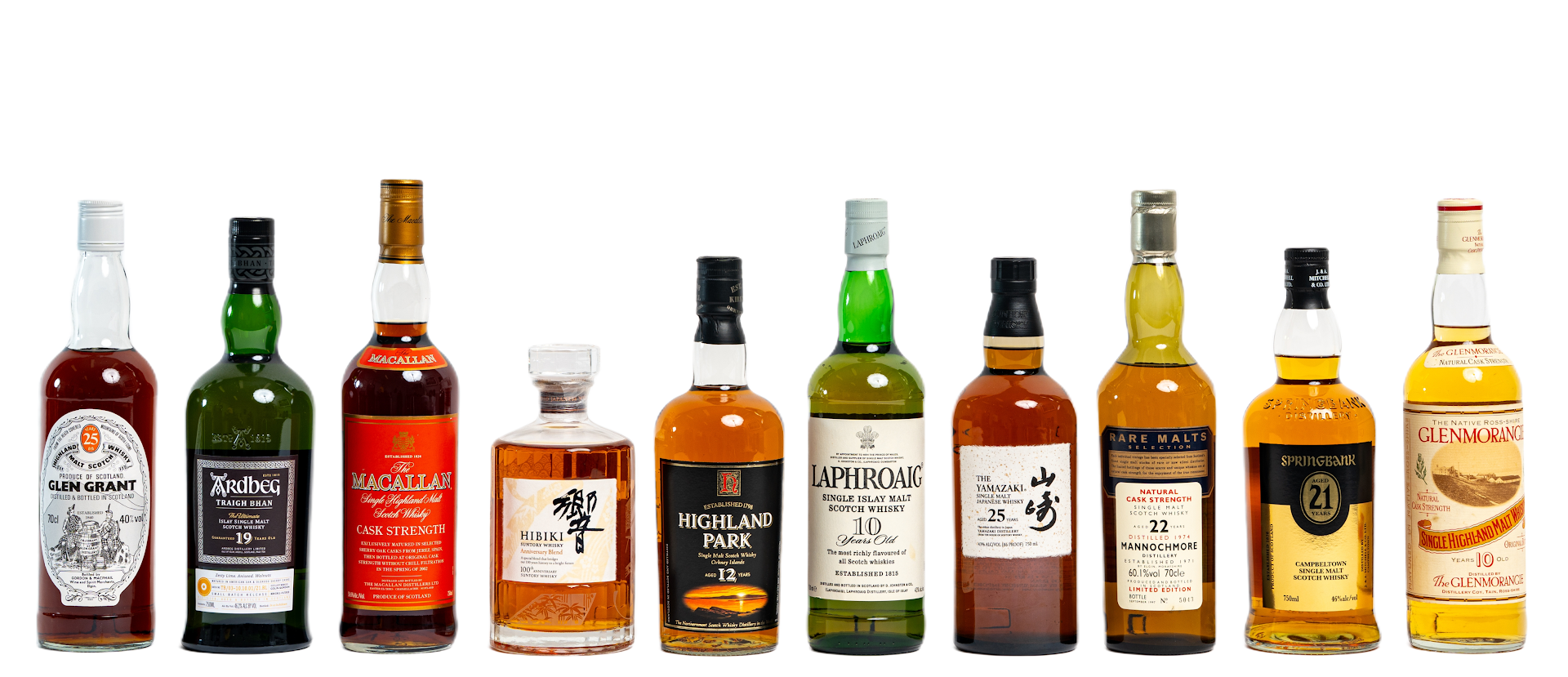
Broker of Vintage Scotches: How to Sell Rare Scotch for Maximum Value

 May 13, 2026
Summary: Vintage Scotch value depends on demand strength, condition, release history, packaging, liquidity, and provenance. Brokers evaluate each bottle through structured checks before pricing. Market behavior and resale speed matter more than age alone. Buyers adjust offers using risk scoring and real transaction data. This helps sellers understand fair valuation and improve outcomes in rare Scotch selling decisions.
People working with a broker of vintage scotches usually expect pricing to be based on brand names or bottle age alone. That assumption is incomplete. Real valuation follows a structured evaluation path that focuses on how the bottle behaves in the collector market, not just how it looks or how old it is. Every vintage Scotch bottle passes through a system that checks demand strength, physical condition, resale potential, and market timing. Value is formed only after all signals are reviewed together. This process helps remove guesswork and creates a more stable pricing outcome based on real market behavior rather than assumptions.
What Actually Defines “Collectible Demand” Today
Collector demand is not static. It shifts based on availability, recent resale activity, and changing interest among buyers. Brokers analyze how often a specific bottle is requested or traded in real transactions. A bottle with steady demand can outperform older or rarer bottles that have weak market attention. Demand is not about popularity alone. It is about how quickly buyers are willing to act. Faster movement usually signals stronger pricing potential. This makes demand one of the most practical indicators in vintage Scotch valuation. Even small changes in buyer interest can shift how a bottle is priced in the current market cycle.
How Release History Influences Price Direction
Release history plays a deeper role than just rarity. Brokers study how a bottle entered the market, whether it came from a short production window, a discontinued line, or a special bottling phase. Limited releases tend to attract stronger collector attention, but only if awareness remains active in the market. If a release is rare but forgotten by buyers, value does not rise as expected. Market memory is just as important as production size. This is why brokers always connect release history with current buyer behavior before setting price expectations. A bottle’s story in the market often shapes its long-term value path.
Condition Signals That Change Buyer Confidence Instantly
Condition is not just visual. It is a trust indicator. Buyers inspect seal integrity, label clarity, capsule condition, and fill stability. Each detail signals how carefully the bottle was preserved over time. A stable fill level suggests controlled storage, while uneven levels suggest exposure or inconsistent handling. Even small imperfections can change collector interest because presentation matters strongly in resale environments. In selling rare scotch, condition often decides how fast a bottle moves, not just how much it is worth. Bottles in clean condition tend to attract more confident offers and smoother transactions.
Packaging Completeness as a Market Position Factor
Packaging is often treated as secondary, but in collector markets, it directly influences value perception. Original boxes, inserts, and presentation materials improve buyer confidence because they suggest careful ownership history. A complete set is easier to resell and more attractive to collectors who prefer full presentation units. Missing packaging does not remove value completely, but it shifts the bottle into a lower preference category. This difference often affects final pricing more than sellers expect. A strong presentation can place a bottle into a higher demand bracket even if other factors remain the same.
Read this Article- How Do You Know the Right Price When You Sell Your Oban Whisky?
Liquidity Pressure in Collector Markets
Liquidity is one of the most overlooked pricing drivers. It measures how quickly a bottle can be resold after purchase. High liquidity bottles attract stronger offers because they reduce holding risk. Low liquidity bottles require longer resale time, which introduces uncertainty for buyers. Even rare bottles can fall into low liquidity categories if the collector base is narrow or inactive. Brokers always adjust pricing based on how easily the bottle can circulate in real transactions. Liquidity helps determine how flexible buyers can be with their final offer structure.
Provenance Clarity and Its Role in Trust Building
Provenance refers to ownership history and traceability. A bottle with clear background information is easier to price because buyers can trust its origin and handling. Unclear history creates hesitation, even if the bottle appears perfect physically. This step is important because collectors prefer bottles with transparent movement history rather than unknown ownership paths. Provenance reduces risk, and lower risk improves pricing strength. Even simple clarity about past ownership can increase buyer confidence and speed up decision-making during evaluation.
Hidden Risk Scoring Behind Final Offers
Before any final offer is made, brokers assign a risk score to the bottle. This score is not based on one factor. It combines condition stability, demand strength, liquidity level, packaging quality, and provenance clarity. Each factor increases or decreases confidence in resale potential. Low-risk bottles receive stronger offers because they are easier to move. High-risk bottles receive conservative pricing to protect future resale performance. This system ensures consistency across different bottles and sellers. It also keeps valuation fair and structured, even in changing market conditions.
Final View on Vintage Scotch Valuation Logic
Vintage Scotch value is built through layered evaluation, not single-factor judgment. Brokers study demand behavior, condition strength, release background, packaging, liquidity, and risk exposure before forming pricing decisions. In selling rare scotch, the final value reflects market readiness, not just product quality. This is why structured evaluation always produces more accurate pricing than surface-level estimation. Every bottle is treated as part of a live market system rather than a static item.
Read This Too- How to Sell Scotch Online
Closing Note
The vintage Scotch market rewards clarity, not assumptions. Understanding how value is formed helps sellers interpret offers more accurately and recognize the real pricing logic behind each evaluation. For anyone involved in selling rare scotch, working with experienced brokers ensures that each bottle is assessed through structured market data, not guesswork, resulting in more consistent and realistic value outcomes. At Scotch Buyers, we focus on giving sellers a simple and honest process based on real market data. Our team reviews each bottle carefully, checks collector demand, and uses current trade activity to form fair offers. This helps us guide sellers with more accurate pricing instead of unclear estimates. Working with us makes the selling process more stable, faster, and easier to understand, especially for rare bottles where small details can change value significantly.
FAQs
How to sell an old bottle of Scotch?
First check the bottle condition, rarity, and market demand. Then choose a selling method like a broker or a direct buyer. Proper verification and pricing help to get better value from the Scotch bottle.
What is a broker of vintage Scotches, and how do they work?
A broker of vintage Scotches helps to evaluate, price, and connect with buyers. They assess authenticity, condition, and demand, then guide through safe selling with market-based pricing support.
How can I determine the value of my rare Scotch bottles?
Look at rarity, condition, packaging, demand, and recent sales. A broker also checks market trends to give a realistic value based on current collector interest and resale activity.
Where is the best place to sell rare Scotch—auction, private sale, or broker?
Compare options based on speed, control, and value. Brokers give structured pricing, auctions create competition, and private sales offer direct deals depending on bottle’s condition and demand.
What factors affect the price of vintage Scotch whisky?
Price depends on rarity, condition, label quality, fill level, packaging, and demand. Also consider market activity and collector interest, which strongly influence final resale value.
Do I need original packaging to sell rare Scotch for a higher value?
Yes, original boxes and inserts increase value. Complete packaging improves collector interest and makes Scotch easier to sell at a stronger market price.
How long does it take to sell rare Scotch through a broker?
It depends on demand and bottle type. We usually see faster results for high-demand bottles, while rare or niche Scotch may take longer due to market availability.
Are there any legal requirements for selling rare Scotch whisky?
Follow the basic ownership rules and ensure the bottle is legally yours. Brokers may also check documentation to confirm safe and compliant transfer before completing the sale process.
How do I verify the authenticity of my vintage Scotch bottles?
Check seals, labels, fill level, and packaging details. Experts or brokers compare these with known release standards to confirm if bottle is original and untampered.
What fees or commissions do Scotch brokers typically charge?
Brokers usually charge a commission based on the final sale value. The percentage varies, so confirm the terms before selling to ensure transparency and fair pricing.

 Thank you!