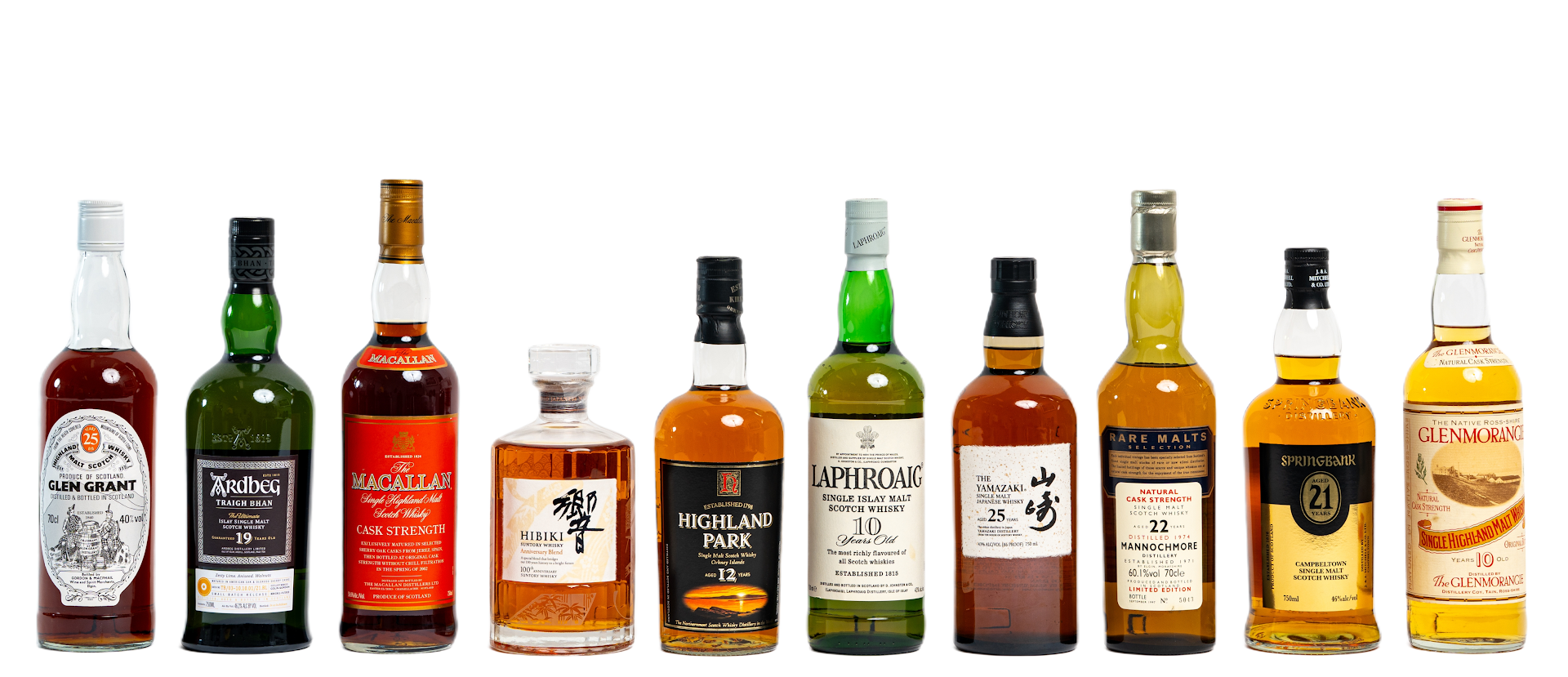
How Can Limited Supply Yamazaki Whisky Become Your Next Big Payday?

 Apr 14, 2026
Summary:
Yamazaki whisky’s limited supply makes it a high-value collectible for investors and enthusiasts. This guide explains how rarity, bottle condition, provenance, and global demand influence resale value. Readers learn which editions are most profitable, how to time sales for maximum returns, and the importance of proper storage and documentation. Practical selling strategies, market insights, and expert guidance from Scotch Buyers help owners convert their prized bottles into cash, ensuring they get top value when selling rare whiskey.
Owning a bottle of Yamazaki whisky today could be more than just a hobby; it could become a serious investment. With growing global demand and scarce supply, collectors and enthusiasts are paying premium prices for certain editions. If you’re considering the next step, it’s a perfect moment to sell your Yamazaki whisky and turn rarity into revenue.
Why Yamazaki Whisky Commands Attention
Yamazaki is Japan’s oldest malt whisky distillery, producing only limited batches each year. Its global acclaim comes from the unique climate, careful aging techniques, and precise craftsmanship. Some bottles never reach international markets, making them extremely valuable. As demand grows, even small releases can attract high bids, creating opportunities for savvy owners.
The distillery’s location plays a big role in the whisky’s quality. Yamazaki sits in a region with natural mist, fresh air, and the perfect temperature range. This environment helps the whisky age slowly and develop rich flavors. The combination of climate, water source, and skilled artisanship makes every bottle unique. Collectors recognize this and are willing to pay top dollar for bottles that are rare or hard to find.
Understanding the Most Profitable Editions
Not all Yamazaki bottles hold the same market weight. Limited releases like single cask editions, older age statements, and anniversary bottles tend to spike in value quickly. Identifying which editions are trending among collectors can guide your decision on when and how to sell. Being informed on these specifics often means thousands more in potential profit.
For example, bottles aged 18 or 25 years are known for their smooth taste and deep flavor. They are rare because the distillery cannot produce many, and the longer aging process reduces available bottles even further. Anniversary editions or bottles with unique labels, sometimes only released once, also attract collectors’ attention.
The Role of Condition and Packaging
A whisky’s resale value hinges heavily on its condition. Bottles preserved in original packaging, with intact seals and labels, perform far better in sales. Any signs of damage or opened bottles can significantly reduce the worth. Maintaining storage in a cool, dry environment ensures your investment remains attractive to buyers.
Condition isn’t just about keeping the bottle upright. Sunlight, heat, and humidity can all affect whisky quality over time. Even if the liquid inside is intact, faded labels, scratches, or damaged boxes lower its appeal. Collectors prefer bottles that look perfect and untouched. That’s why investing in proper storage, like a cabinet away from direct sunlight or a temperature-controlled room, is worth it.
Provenance: Your Key to Credibility
In rare whisky markets, documentation matters. Authenticity certificates, purchase receipts, and proper labeling create trust. Buyers are willing to pay more when the origin of the bottle is clear. Without verified provenance, even the rarest edition may struggle to find premium buyers.
Provenance is like a story for your whisky. It tells buyers where it came from, who owned it before, and when it was produced. This history reassures collectors that they are investing in a genuine item. Bottles without proper documentation may be questioned for authenticity, which can lower their value.
Timing the Market for Maximum Returns
Yamazaki prices can fluctuate based on auction trends, collector interest, and global scarcity. Certain bottles appreciate quickly after release, while others peak years later. Tracking these patterns helps owners optimize sale timing and achieve higher returns. Patience, combined with market knowledge, can make a significant difference in final pricing.
Some bottles experience price jumps when the distillery announces limited releases or special events. Global demand also affects value. For example, if collectors in multiple countries suddenly compete for the same edition, prices can rise sharply. Paying attention to these patterns allows you to time your sale for maximum profit.
How Global Interest Fuels Value
International demand is a major factor in skyrocketing prices. Whisky enthusiasts from multiple regions compete for rare bottles, driving auctions to unexpected levels. Limited distribution outside Japan creates urgency among buyers, making your bottle a hot commodity when positioned correctly.
Collectors from Europe, North America, and Asia often seek the same editions, creating competition. Limited supply combined with high demand naturally increases value. This is why bottles that are rare in one country might sell for double or triple their price in another market.
Selling Strategies That Work
Working with experts or verified buyers ensures smoother transactions. Professional evaluators can help set realistic market prices and connect with serious buyers. Whether opting for private sales or selective auctions, leveraging professional networks often results in faster sales and better profits.
For maximum results, consider multiple selling channels. Private sales provide discretion, while selective auctions can attract competitive offers. Professional brokers also offer insight into market trends and pricing strategies. They know which editions are currently in high demand and how to position your bottle for maximum return.
Turning Collectibles into Real Cash
Yamazaki whisky is more than a drink; it’s a collectible asset. Bottles that were once a passion project can now serve as tangible investments. Evaluating market trends, preserving quality, and working with knowledgeable buyers ensures your rare whisky transforms into a solid payday.
Collectors who carefully maintain their bottles often see remarkable returns. Some editions have increased in value by thousands of dollars over just a few years. This makes Yamazaki whisky a unique investment option for both enthusiasts and first-time investors.
Ending Note
At Scotch Buyers, our focus is on helping collectors unlock the full potential of their Yamazaki whisky. We handle authentication, market analysis, and secure sales, ensuring owners get the best possible return. If you’re considering selling rare whiskey, we provide a personalized, reliable approach to maximize your profit. Connect with us today and turn your prized bottles into immediate value. Our team guides you through every step of the process, from verifying authenticity to evaluating current market rates. We make selling simple, safe, and profitable. When you partner with us, your collection is treated with respect and professionalism. Let us help you transform your rare Yamazaki whisky into a rewarding investment.
Ready to see how much your Yamazaki whisky is worth? Contact Scotch Buyers today and get expert advice on selling rare bottles for the highest return. Don’t let your rare collection sit idle; turn it into cash now.
FAQs
Why is Yamazaki whisky so valuable?
Yamazaki’s limited production, aging process, and global demand make certain bottles highly sought after by collectors.
Which editions of Yamazaki are most profitable?
Older age statements, single cask releases, and anniversary editions usually command higher resale prices.
How does bottle condition affect resale value?
Pristine packaging, sealed bottles, and intact labels significantly increase desirability and final selling price.
What role does provenance play in selling?
Certificates, receipts, and documentation confirm authenticity, boosting buyer trust and market value.
How can Scotch Buyers help with rare whisky?
We offer evaluation, authentication, and secure sales to maximize returns for collectors and investors.

 Thank you!