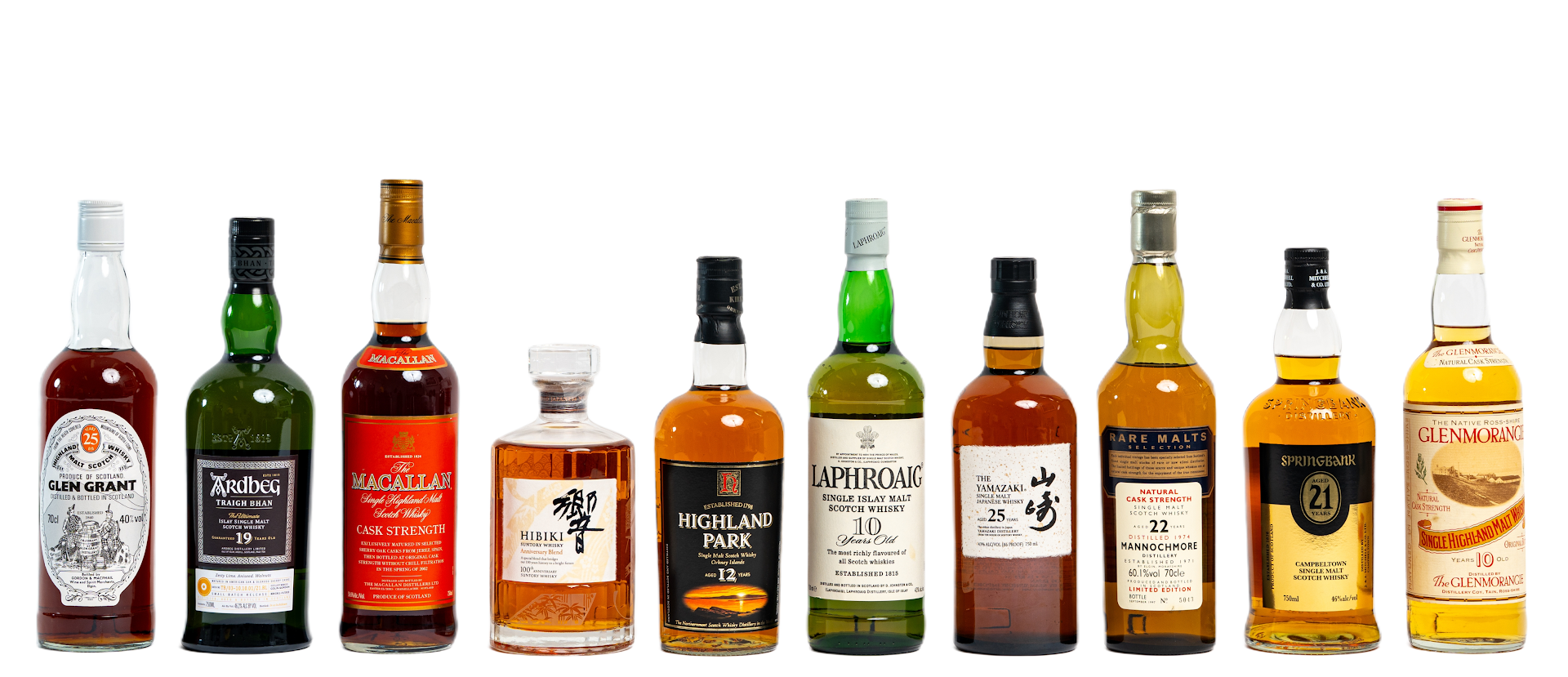
How Can You Get the Best Value When Selling Your Rare Scotch Collection?

 Sep 14, 2026
Summary: Selling rare Scotch for the best value requires more than checking its age. The blog covers release details, rarity, bottle condition, ullage, packaging, storage history, provenance, collector demand, and collection records. It also explains why specialist buyers can assess bottles more accurately and how clear information, photos, and a transparent offer can make the selling process easier and more informed.
Selling rare scotch is not only about finding an old bottle. The real value can sit in the release, bottling date, bottle condition, original packaging, ownership history, and collector demand. Two bottles from the same distillery can have very different values. A smart sale starts with knowing exactly what is in your collection and giving a specialist buyer enough detail to assess each bottle correctly. Before selling, take time to review your bottles one by one. Do not rely only on the name of the distillery or the age shown on the label. Small details can make a major difference. A limited release, an older bottling, or a discontinued expression may have a different market value from a standard bottle made by the same distillery.
The Details Hidden on the Bottle Matter
Rare Scotch can carry useful clues in places many owners overlook. Look at the age statement, bottling strength, bottle size, label wording, tax markings, closure, and packaging. Older releases may also have label designs or bottle shapes that differ from later versions.
Independent bottlings deserve careful attention too. Cask number, bottling year, outturn, cask type, and stated bottle count can help identify a release. A bottle from a small run may interest collectors for reasons that are not clear from the front label alone.
The back label can also provide useful information. Some bottles show import details, batch information, bottler names, or other marks that help identify the exact release. Keep the original tube, box, certificate, booklet, or presentation case with the bottle if you have it. These items can help show that the bottle is complete and well preserved.
Rarity Is More Than Bottle Age
Age can affect value, but it does not tell the whole story. A younger limited release may attract stronger collector interest than an older bottle that had a large production run.
Closed distilleries, discontinued expressions, single cask releases, old bottlings, special editions, and bottles from short production runs can have different levels of demand. The key question is not simply how old the Scotch is. It is how scarce the exact release has become and who is looking for it.
Collector demand can also change over time. Some releases become more desirable because they are difficult to replace. Others may have a strong following because of the distillery, bottler, cask, or release history. This is why comparing your bottle with a similar-looking bottle may give the wrong result.
Check the Liquid Level Before You Ask for an Offer
The liquid level, often called ullage, is a useful condition check for older bottles. A lower level can suggest evaporation over time. It may reduce value, especially for collectible bottles.
Inspect the seal and closure as well. A damaged capsule, loose cork, stained label, or sign of leakage can affect buyer confidence. Do not open a sealed bottle to check the contents. Opening it changes the condition and can reduce its appeal to collectors.
Look closely for other signs of wear. A damaged box, torn label, faded printing, or cracked tube may affect the overall assessment. This does not mean a bottle has no value. It simply gives the buyer more information to consider.
Your Storage History Can Support Value
Good storage records can answer questions a buyer may have about the bottle. Keep notes about where the Scotch was stored, how long it has been in your collection, and any purchase records you still have.
Clear photos can also help with an initial review. Take pictures of the front and back labels, capsule, fill level, bottle base, box, tube, and any identifying marks. This gives a buyer more information before a physical inspection.
Store Scotch bottles upright rather than on their sides. Keep them away from strong sunlight and large temperature changes. A stable indoor storage area is generally better than a place that becomes very hot or cold. Good storage can help protect the label, closure, packaging, and liquid level.
Build a Collection Profile Before Selling
A large collection becomes easier to assess if every bottle is listed separately. Record the distillery, expression, age, strength, size, release details, condition, packaging, and known purchase history.
Group similar bottles together, but do not assume they have equal value. A collection may contain common releases alongside highly sought-after bottles. Separating them helps a buyer assess the strongest pieces without letting less rare bottles influence the review.
A simple collection list can save time during the selling process. It can also help you spot bottles that need closer research. Include bottle quantities too, especially if you own several bottles from the same release. Notes about original receipts or previous ownership can also be useful.
A Specialist Buyer Can See Value Others Miss
General bottle knowledge is not enough for rare Scotch. A specialist buyer needs to understand old releases, collector demand, discontinued expressions, independent bottlings, condition issues, and the details that separate one edition from another.
This is also why the selling process should begin with information rather than a guessed price. If you want to sell your scotch, give the buyer clear bottle details and let the collection be assessed on its own merits.
A specialist review can also help separate bottles that deserve close attention from bottles with more limited collector demand. This makes the process clearer and helps avoid judging every bottle in a collection by the same standard.
Closing Note:
Ask for a clear explanation of the offer. You should understand which bottles carry the most value and which factors affected the amount. A straightforward purchase process also reduces confusion around collection size, bottle condition, payment, and transfer arrangements. At Scotch Buyers, our business is built around purchasing rare whiskey directly from people and collectors. We review individual bottles and collections based on their release details, rarity, condition, provenance, and collector interest. If you are deciding where to sell Scotch, contact Scotch Buyers for a direct collection review and discuss your bottles with a buyer who understands rare whiskey. Send the available details, ask about the pieces you own, and take the next step toward a fair sale.
FAQs:
What is the best way to prepare a rare Scotch collection for sale?
Prepare each bottle separately by recording its release details, condition, ullage, packaging, storage history, provenance, and clear photographs. Keep original boxes and purchase records together.
What types of Scotch whisky are considered collectible?
Collectible Scotch can include limited releases, single cask bottlings, discontinued expressions, bottles from closed distilleries, older bottlings, special editions, and releases with small production numbers.
What information should you provide when selling rare Scotch?
Provide the distillery, expression, age, bottling strength, bottle size, release details, condition, liquid level, packaging, purchase history, provenance, and clear photographs of each bottle.
Why is provenance important when selling rare Scotch?
Provenance provides information about a bottle’s ownership and purchase history. Strong records can support authenticity, give buyers confidence, and help explain how the bottle was stored.
Can old Scotch whisky become more valuable over time?
Yes, some old Scotch bottles can become more valuable as availability decreases. However, value depends on rarity, condition, provenance, collector demand, and release characteristics.
What details are needed to evaluate a rare Scotch bottle?
A proper evaluation may require the distillery, expression, age, bottling year, strength, bottle size, release type, cask details, ullage, seal, label condition, packaging, provenance, and photographs.

 Thank you!