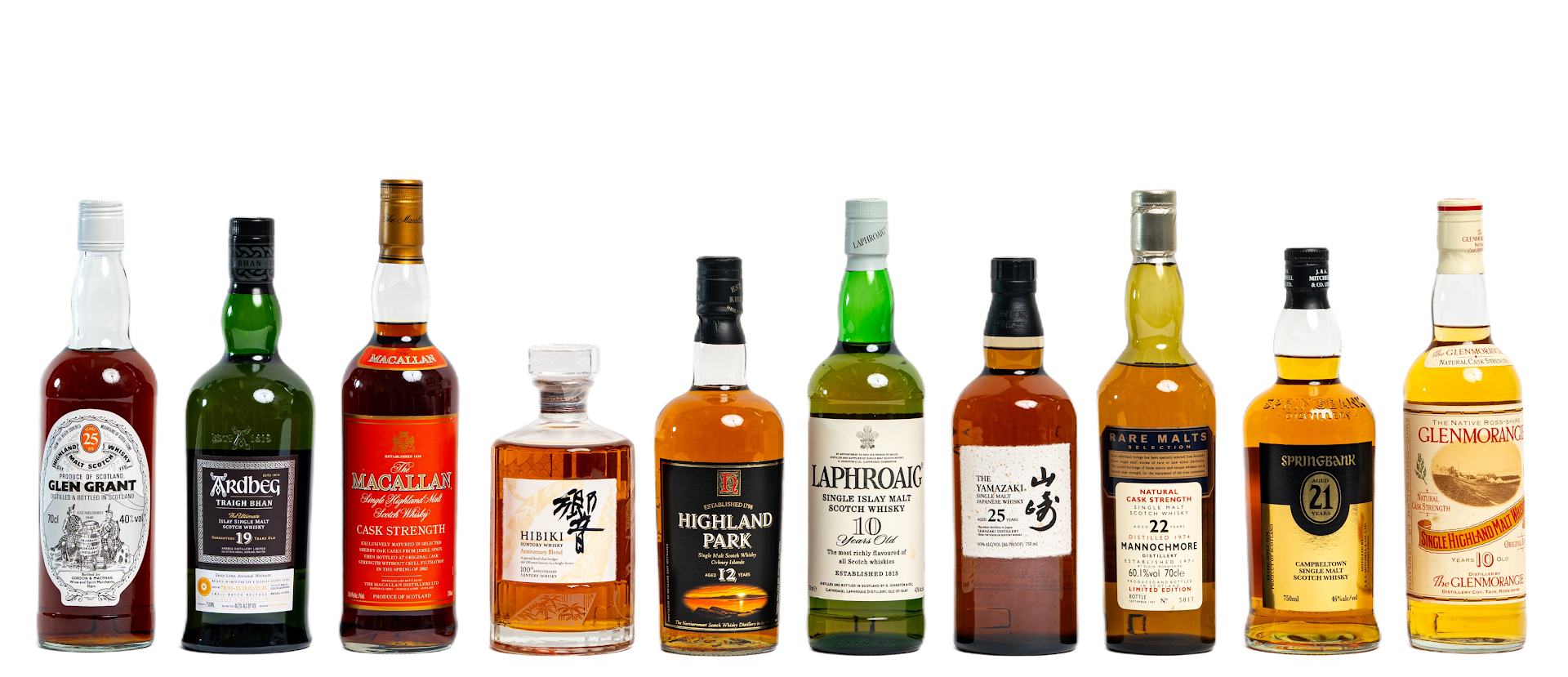
How Can You Sell Whiskey When You Are Splitting a Large Collection Into Smaller Lots?

 Nov 16, 2026
Summary: Selling a large whiskey collection becomes easier by dividing bottles into smaller, well-planned lots. Learn how to create a bottle inventory, group similar releases, separate rare editions, check bottle condition, and estimate resale value. The guide also explains how to choose suitable buyers, understand alcohol resale laws, and work with Scotch Buyers to sell individual bottles or complete collections.
Selling a large whiskey collection can feel difficult, especially if you do not want to sell every bottle at once. Splitting the collection into smaller lots can make the process easier and help you reach buyers with different interests. Before deciding where to sell whiskey, take time to check each bottle, group similar releases, and understand their value. A clear selling plan helps you manage your collection, avoid mistakes, and get a fair price for bottles that have collector demand. It also gives you more control over which bottles you sell first and which ones you keep for later.
Start With a Full List of Your Bottles
The first step is to make a complete list of your whiskey collection. Write down the bottle name, age statement, release year, bottle size, alcohol strength, and edition number. Add notes about the box, label, seal, and overall condition. This record helps you see what you own and makes it easier to plan smaller lots.
Keep rare releases and older bottles on your list with extra care. Some bottles may have more collector interest than others. A proper record also helps you answer buyer questions without checking every bottle again. You can use a simple notebook or spreadsheet to keep these details in one place. Update the list as bottles are sold or moved into different groups.
Group Bottles That Share Similar Features
A large collection becomes easier to manage once you sort bottles into clear groups. Avoid putting unrelated releases together just to reduce the number of lots. Buyers often look for bottles that match their taste or collecting goals.
You can group your whiskey by:
- Age statement: Place bottles with similar age details together.
- Release type: Separate limited editions from regular releases.
- Distillery: Group bottles from the same producer.
- Bottle condition: Keep damaged packaging apart from complete sets.
- Collection theme: Sort special releases, single cask bottlings, or older editions.
These groups give buyers a clear idea of what each lot contains. They also help you compare similar bottles and set a fair asking value. Try to keep each group focused on one clear feature. A well-planned lot is easier to describe and helps buyers understand what they are being offered.
Keep Rare Bottles Separate From Common Releases
Not every bottle should be part of a mixed lot. A rare edition may attract more interest on its own than it would as part of a group with common releases. The same applies to bottles with signed labels, special packaging, or limited production numbers.
Check the demand for each bottle before deciding how to group it. If a release has a strong collector following, consider listing it separately. Common bottles with similar features can form smaller lots. This approach helps you avoid giving away a valuable bottle at a lower combined value. It also gives interested collectors a chance to focus on a bottle they have been trying to find.
Check Bottle Condition Before Making Lots
Condition can affect the value of a whiskey collection. Buyers often prefer bottles with intact seals, clear labels, and original boxes. A damaged cap, low fill level, or torn label can reduce buyer interest. Inspect each bottle under good lighting. Look for leaks, faded printing, loose closures, and signs of damage. Check that the bottle matches its original packaging. Take clear photographs of the front, back, seal, and any visible marks. Be honest about flaws instead of hiding them. Accurate details help buyers judge the lot and reduce confusion during a sale. Keep all bottles upright in a cool, dry place away from direct sunlight until the sale is complete.
Set a Fair Value for Every Group
Do not set a single value for your entire collection without checking individual bottles first. Research recent sales of similar releases and compare their condition, age statements, and packaging. The original purchase price may not match the current resale value. Also, consider the total value of each lot. A group with several common bottles may suit buyers looking for a wider selection. A smaller group with rare releases may need a separate valuation. Keep your asking price realistic and allow room for a fair discussion with a serious buyer. Remember that limited production alone does not guarantee a high price. Actual buyer demand plays a major role.
Choose a Suitable Way to Sell Your Collection
Your choice of selling method can affect the time and effort involved. Some sellers prefer dealing with specialist whiskey buyers who understand rare releases, bottle condition, and collector demand. Others may consider licensed dealers or approved auction services, depending on local alcohol resale laws.
Before accepting an offer, check the buyer’s process, payment terms, and legal requirements. Private alcohol sales and shipping rules differ by location. Make sure the chosen method follows the rules that apply to you. Ask how bottles will be checked, how the final offer is set, and how payment will be made. Clear terms can help prevent problems later.
Ending Note:
At Scotch Buyers, we purchase Scotch and whisky bottles from the public and aim to offer the best price based on each bottle’s details, condition, and collector demand. If you are deciding where to sell whiskey, our team can help assess your bottles and discuss a suitable offer. You do not have to manage a large collection alone or group every bottle without guidance. Whether you have a few special releases or a large collection, sharing clear bottle details is a useful first step. Contact Scotch Buyers today, share your collection details, and take the next step towards selling your whiskey with confidence.
FAQs:
What types of whiskey bottles are valuable to collectors?
Limited editions, vintage releases, single cask bottlings, discontinued expressions, and bottles with original packaging often attract collectors. Condition and buyer demand also affect value.
Who Buys Rare and Vintage Whiskey Bottles?
Specialist whiskey buyers, licensed dealers, and approved auction services may purchase rare bottles. They assess authenticity, condition, release details, and current collector demand.
Where is the best place to sell whiskey bottles in the USA?
Specialist whiskey buyers and licensed auction services can be suitable options. Check their buying process, payment terms, and state alcohol resale laws first.
Can I sell my whiskey collection online?
Yes, where local laws allow it. Check seller licensing rules, age restrictions, payment terms, and shipping requirements before listing or accepting an offer.
Should I sell rare whiskey bottles separately or in a lot?
Sell highly sought-after releases separately to attract focused interest. Group common bottles with similar features to make smaller lots easier to assess.
How should I prepare whiskey bottles before selling them?
Make a bottle list, check seals and labels, retain original boxes, and take clear photographs. Share any damage or missing packaging with buyers.
Does original whiskey packaging increase resale value?
Yes, original boxes, certificates, and release documents can support authenticity and collector interest. Complete packaging may improve buyer confidence during a sale.

 Thank you!