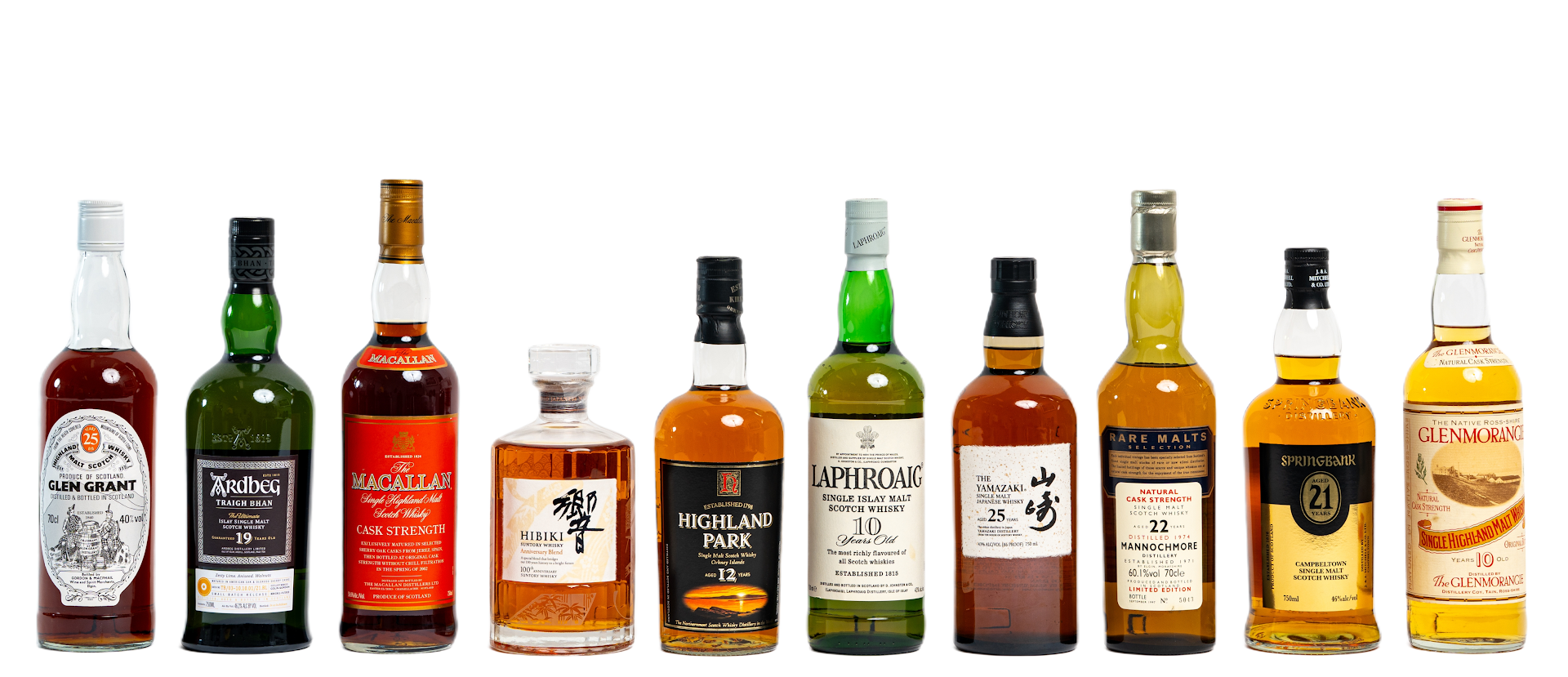
How to Identify Authentic Vintage Whiskey Bottles

 Jun 12, 2026
Summary: The blog explains how to check real vintage whiskey bottles using simple signs like glass ageing, label print, seal condition, liquid level, and packaging match. It also shows how small details help confirm authenticity before selling. Readers learn easy ways to avoid fake bottles and understand value better while dealing with whiskey buyers and improving safe selling decisions.
Many people today deal with old whiskey bottles but are not fully sure if the bottle is truly real or not. This becomes very important when talking to whiskey buyers, because real value depends on true old stock, not on looks alone. A vintage whiskey bottle can look simple, but it carries small signs that tell its real age and history. Knowing these signs helps avoid mistakes and helps sellers get fair value. Many bottles look similar at first sight, but real ones always show small natural changes that come only with time.
Soft Changes in Bottle Look Over Time
Old whiskey bottles slowly change their look over many years. The glass may not shine too bright like new bottles. It may look a little soft or slightly dull because of long storage. Sometimes, the surface may also show very light marks that come from age and handling over time.
Fake bottles often look too new and too clean. They do not show natural aging signs. Real vintage bottles always have a calm and old feel in their look. Even the color tone of the glass may feel slightly different when compared to modern bottles.
Many whiskey buyers first check this simple change because it gives a quick idea about age without any tools. This first visual check is very useful because it helps reduce risk before deeper inspection.
Label Print That Shows Real Age
The label on a vintage bottle can tell a lot. Old labels may look a little faded. The paper may feel soft, and the print may not be perfectly sharp. Sometimes edges may look slightly worn because of time.
Modern fake labels often look too perfect. The letters may be too straight and too bold. Real old labels have small natural flaws that come with time. These small flaws are not damage, but signs of age.
Even small changes in ink shade or paper texture can help you understand if the bottle is truly vintage or not. Careful eyes can notice these small details easily, and that helps in correct identification.
Seal That Shows Natural Ageing
The seal on an old bottle changes slowly over time. It may look darker or slightly dry. If it is cork, it may also shrink a little. This happens naturally and cannot be copied in a perfect way.
If a seal looks very fresh on a bottle that is supposed to be old, it can be a warning sign. Real vintage bottles never have a brand-new-looking seal. Even metal caps may show soft ageing marks.
Experienced whiskey buyers always check seal condition carefully before they decide anything. This step is very important because the seal protects the inside quality of the bottle.
Liquid Level Inside the Bottle
Inside real old whiskey bottles, the liquid level may go down a little over time. This happens naturally because of air movement inside the bottle. It is not a fault, but a normal aging sign.
If a very old bottle looks completely full, it may need more checking. At the same time, too much loss of liquid can also affect value. Balance is important in this case.
This simple check helps understand if the bottle has been stored in a proper way for many years. It also gives a clue about storage conditions over time.
Feel of the Glass in Hand
Old glass feels slightly different when you hold it. It may not feel perfectly smooth everywhere. Some parts may feel thicker or uneven. This is because older production methods were less uniform.
New bottles feel very even and smooth because modern machines make them with high control. The difference may feel small, but it is easy to notice with careful touch.
This small touch difference helps whiskey buyers quickly understand if the bottle is old or new without opening it. It is a simple but useful step in checking authenticity.
Matching Box and Bottle Style
If the bottle comes with a box, both must match in age and style. Old boxes usually have simple print and soft colors. They may also look slightly faded due to time.
If the box looks new but the bottle is old, it creates doubt. Both should feel like they belong to the same time. Matching design style is very important for trust.
This match is very important for checking if the bottle is truly vintage or not. Even small design differences can help experts identify real stock.
Simple History of the Bottle
A real vintage bottle usually has some basic history. It may include where it was kept or how it was passed from one person to another. This helps build trust in the bottle.
If there is no clear story at all, it does not always mean it’s fake, but it needs careful checking. Even simple background details help confirm authenticity.
Good whiskey buyers always prefer bottles that have at least simple background details because it builds trust and reduces doubt during evaluation.
Closing Note
At Scotch Buyers, we carefully check every vintage bottle using simple and clear steps. Our team works as a trusted vintage whiskey broker, helping sellers understand the real value of their bottles in an easy and safe way. We focus on real condition checks, honest evaluation, and smooth handling so sellers feel confident during the process. We also guide sellers in a simple manner so they can understand how their bottle is valued in the market. Our goal is to make every step clear and stress-free.
If you are planning to sell or check your collection, contact Scotch Buyers today. Share your bottle details with us and get clear guidance, simple evaluation, and a fair buying offer for your vintage whiskey.
FAQs
How can I identify an authentic vintage whiskey bottle?
Check glass aging, seal condition, label print, and liquid level. Real bottles show natural wear, slight fading, and consistent aging signs that match their claimed production year and storage history.
What are the signs of counterfeit whiskey?
Fake bottles often look too new, with sharp labels, fresh seals, and no aging marks. Mismatch in glass feel, print style, or liquid level also signals possible counterfeit stock.
Why does provenance matter?
Provenance confirms bottle history, ownership, and storage path. Clear background builds trust, supports value, and helps whiskey buyers verify authenticity before making purchase decisions or offers.
How do bottle labels verify authenticity?
Authentic labels show faded ink, soft edges, and period-correct fonts. Counterfeit labels appear overly clean, with sharp printing and modern styles that do not match vintage production methods.
Can tax stamps confirm a bottle's age?
Yes, tax stamps can help confirm age if they match historical records. Old stamps show design changes over time, helping verify production era and authenticity of vintage bottles.
Does bottle condition affect authenticity?
Yes, condition matters. Real vintage bottles show natural aging like slight glass dullness or seal wear. Perfect condition may raise doubt if it does not match the claimed age.
What documents should whiskey buyers request?
Buyers may request purchase proof, storage history, ownership records, or past valuation notes. These documents help confirm authenticity and support fair evaluation of vintage whiskey bottles.
How do whiskey buyers avoid fake bottles?
Whiskey buyers check seals, labels, glass structure, liquid level, and provenance. They compare details with known standards and reject bottles showing mismatch or unnatural freshness.
Can a vintage whiskey broker verify authenticity?
Yes, a vintage whiskey broker checks bottle details, history, and condition. They use market knowledge and experience to confirm authenticity and guide fair buying decisions.
Why work with a vintage whiskey broker?
A vintage whiskey broker provides expert checks, safe evaluation, and fair pricing. They help sellers avoid fake risks and ensure smooth, trusted transactions for rare whiskey bottles.

 Thank you!