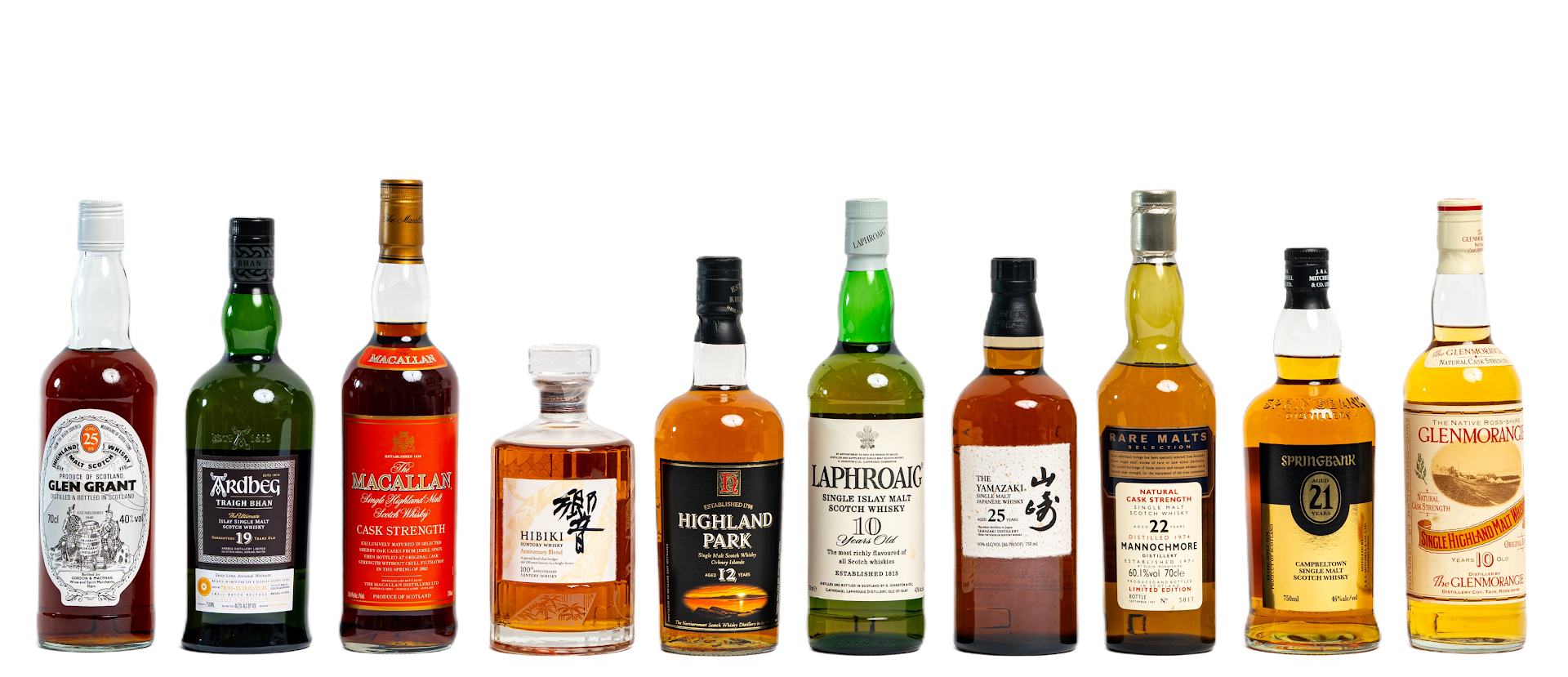
What Happens After You Submit Your Dalmore Scotch Whisky Details to a Buyer?

 Nov 18, 2026
Summary: Selling a Dalmore bottle involves more than sharing its name and age. The buyer reviews bottle condition, label details, packaging, authenticity, release history, and collector demand before making an offer. This guide explains each stage, from submitting bottle details to receiving payment and arranging collection. It also shows how a specialist buyer evaluates Dalmore Scotch Whisky.
Selling a rare bottle can raise many questions, especially if you have never sold a Scotch before. After you submit your Dalmore Scotch Whisky details to a buyer, the process usually starts with a review of the bottle, its condition, age statement, packaging, and market demand. The buyer uses these details to understand its value and decide whether to make an offer. Knowing each step can help you prepare your bottle, share the right information, and make a confident selling decision. It also helps you understand what the buyer needs and how long each stage may take.
Step 1: Your Bottle Details Receive an Initial Review
After you share your bottle information, the buyer first checks the details you provide. These may include the bottle name, age statement, release year, bottle size, alcohol strength, and edition number. Clear information helps the buyer identify the exact Scotch expression. The buyer may also ask for photographs of the front label, back label, cap, and original box. These images provide a first look at the bottle and help identify its release. If any detail is missing, the buyer may contact you for clarification before moving forward. You can make this step easier by keeping the bottle nearby and checking its label before sharing the details. Correct information helps avoid delays and gives the buyer a clear starting point.
Step 2: Bottle Condition Gets Closer Attention
The next step is a review of the bottle’s physical condition. A Scotch bottle with an intact seal, clear label, and original packaging can attract stronger buyer interest. Signs of leakage, damaged closures, or missing parts may affect its purchase value. Buyers often check the fill level, glass condition, label quality, and signs of tampering. They may also review the storage history if you have this information. Keep your bottle upright and away from direct sunlight before the assessment. Honest details about its condition help prevent confusion during the purchase process. Even small marks on the box or label should be mentioned. A clear account of the bottle’s condition helps the buyer make a fair review.
Step 3: Authenticity and Release Details Are Checked
Rare Scotch bottles need careful identity checks. A buyer may compare the label, bottle design, closure, packaging, and release information with known product details. This helps confirm that the bottle matches the stated expression. Original receipts, certificates, and purchase records can support the review. For older or special releases, these documents may help explain the bottle’s ownership history. Never change labels or remove original seals before an inspection. Keeping the bottle in its original state makes the review easier. If you have any documents from the original purchase, keep them ready. These records can help answer questions about the bottle and support a more complete assessment.
Step 4: The Buyer Studies Its Collector Demand
After checking the basic details, the buyer considers the bottle’s position in the collector market. Not every Scotch expression has the same demand. Age statements, limited releases, discontinued bottlings, distillery reputation, and bottle condition can all affect interest. For example, an older single malt with its original presentation box may attract a different level of interest than a regular release. Buyers may compare similar bottles and recent sale records to understand current market activity. Asking prices alone do not show the final amount buyers are willing to pay. The buyer also considers how easily a similar bottle can be found and whether collectors are looking for that particular release. This helps create a more realistic value estimate.
Step 5: You Receive a Purchase Offer
After reviewing the available information, the buyer may present a purchase offer. The amount usually reflects the bottle’s authenticity, condition, release details, collector demand, and comparable sales. Read the offer carefully before accepting it. Ask how the value was assessed and whether any conditions apply. You should also understand the payment method, collection process, and any documents required for the sale. A clear offer gives you the information needed to make your decision without pressure. Take time to review the terms and ask for clarification if something is unclear. You should feel comfortable with the agreed amount before confirming the sale.
Step 6: Payment and Collection Are Arranged
If you accept the offer, the next stage involves arranging payment and bottle collection. The exact process depends on the buyer’s terms and local alcohol resale laws. Some buyers may require a physical inspection before completing the purchase. Check the payment details and confirm the collection arrangements in advance. Keep any purchase records or written confirmation related to the transaction. Alcohol sales and shipping rules differ by location, so make sure the process follows the legal requirements that apply to your area. Keep the bottle safely packed if collection requires transport. Follow the buyer’s instructions and avoid sending it before the agreed terms are clear.
Final Sip:
At Scotch Buyers, we purchase Scotch and whisky bottles from the public and aim to offer the best price based on each bottle’s condition, authenticity, and collector demand. If you own The Dalmore Single Malt Scotch Whisky, our team can review its details and discuss a suitable purchase offer. Share clear photographs, release information, and available ownership records to help us assess your bottle. You do not need to guess its value or handle every part of the process alone. Contact Scotch Buyers today to submit your Scotch details and take the next step towards a clear and informed sale.
FAQs:
What details should I provide to sell a bottle of Scotch whisky?
Share the bottle name, age statement, size, fill level, label condition, packaging details, and clear photos to help the buyer review it.
How does a buyer check the condition of a whisky bottle?
A buyer checks the seal, fill level, label, packaging, glass, and signs of damage to understand the bottle’s overall condition.
Why is whisky bottle authenticity important during a sale?
Authenticity confirms that a bottle is genuine. Buyers review labels, seals, packaging, and release details before deciding whether to make an offer.
How is the value of a Dalmore whisky bottle assessed?
A buyer considers its age, edition, rarity, condition, packaging, authenticity, and collector demand before deciding on a suitable purchase offer.
What happens after a buyer accepts a whisky bottle for purchase?
After you accept the offer, the buyer confirms payment and collection arrangements. The process depends on the agreed terms and applicable laws.

 Thank you!